I decided to read The Student by Anton Chekhov (1860 – 1904), which he indicated was a favorite among his own works and referred to it as a Manifesto for Optimism.
I found the story to be beautifully written. It moved slowly and allowed the reader to absorb it.
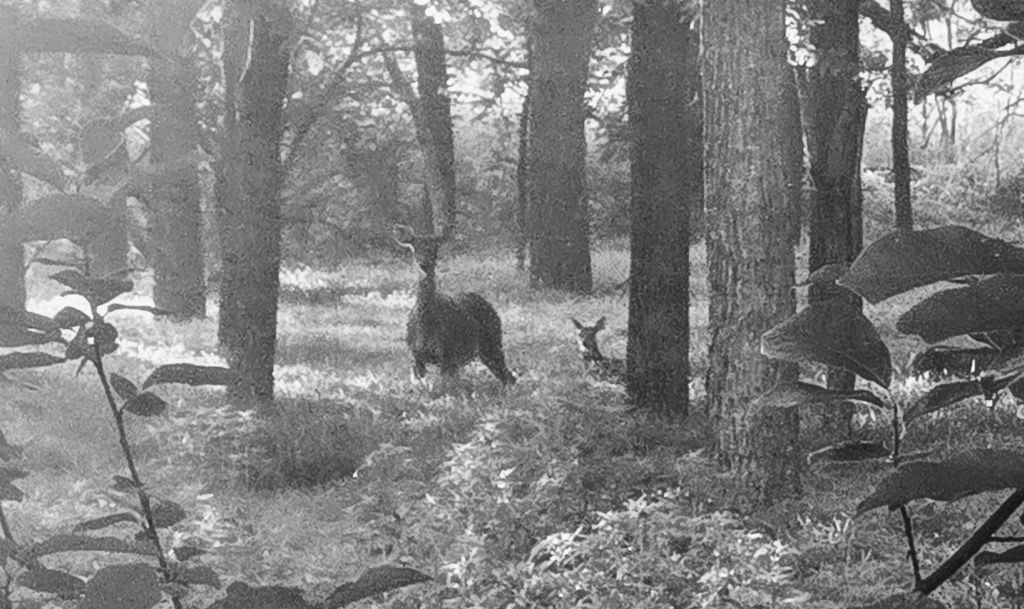
The story opens in a cold, nasty forested marsh, where a man, we come to know as Ivan, is hunting. He concludes his hunt and makes his way to his quarters. He is a seminary student and it is days before Easter. On his way he encounters the widow Vasilisa and her daughter, Lukerya, who is also a widow.
He tells the story of the betrayal of Jesus to the widows by a fire near their garden in his way. Ending, he leaves, noticing Vasilisa is in tears. Returning to home again, he believes she has been moved by the retelling due to her connection with Peter and it is a good thing. He considers the events of the world from the time of Christ to the modern day and its impact over time and feels good about his work.
Easter and its stories are well known and tie in tightly to the character’s youth, enthusiasm, belief in renewal and the work he intends to do for the rest of his life.
One analyst I read noted, the tears of Vasilisa are presumed to be on account of the story and her connection to Peter according to Ivan, but can his exuberance be trusted?
Another comment I read is that Chekhov often employed an epiphany as well as unresolved endings.
The setting being integral to the story is something I strive for in my own writing. Unresolved differs from unchanged. Many of my characters endure events and press on. I need to find ways to ensure change is presented in being, persistence, meaning or intention when it appears nothing changes as a result of their effort.
I very much enjoyed this story and look forward to reading more in the future. It is surprising how many he wrote in the short life he had.